The harmony of cocoa and vine
The fusion of single-origin cocoa and fine wine unveils a sensory landscape where bitterness and sweetness dance, revealing complex aromatic profiles in every perfectly matched bite and sip.
Decoding cocoa complexities
From the humid equators to the artisan’s tempering table, the bean-to-bar journey determines its final snap, gloss, and cacao flavor profile.


Dark Origin: Deep Intensity
High cocoa solids deliver robust bitterness and deep, earthy aromatic profiles, characteristic of Forastero or Trinitario beans.


Milk Chocolate: Velvety Textures
Creamy textures soften the palate, bridging sweetness with notes of caramel and malt from the conching process.


White Chocolate: Refined Cocoa Butter
Pure cacao butter extraction offers a neutral canvas for delicate infusions of vanilla or fruit.


Spiced Ganache & Infusions
Chili or cinnamon additions create a lingering heat that challenges and awakens the tongue, ideal for bold wine pairings.
The World of Wine: From Vineyard to Vintage
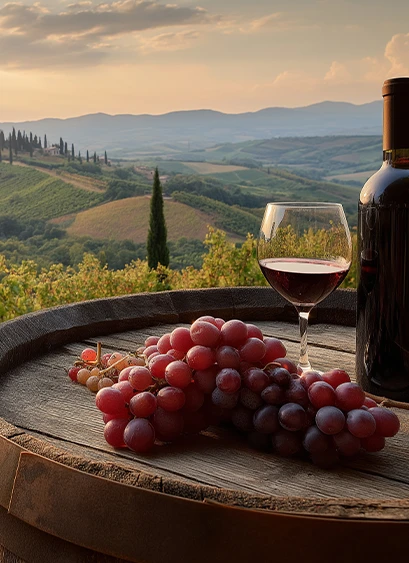
A wine’s character is born from its terroir; soil composition, climate, and sun exposure directly influence the grape’s final acidity and tannin structure needed to balance rich fats.
Terroir
Gourmet Culinary Journeys
Food and wine tours through Bordeaux or Peru reveal parallel craftsmanship. Witness cacao fermentation under tropical suns or the barrel aging of grand cru wines, realizing time is the ultimate ingredient.
Gourmet plating aesthetics
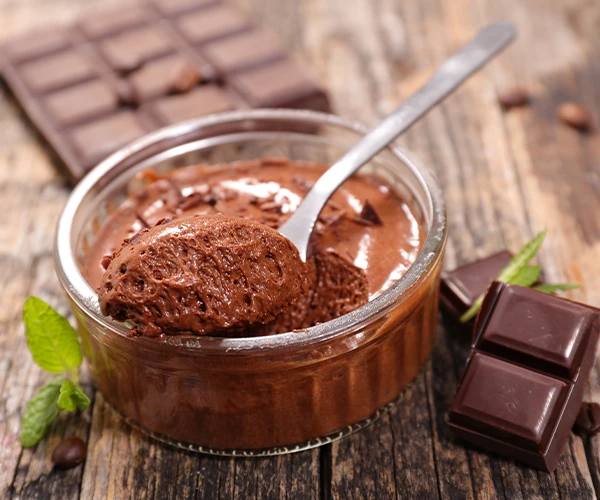
Modern chefs utilize texture as a flavor enhancer, using crumbled cacao nibs for crunch on silky mousses, creating a dynamic mouthfeel that surprises the diner.
Texture
Savory & Unsweetened Cocoa Applications
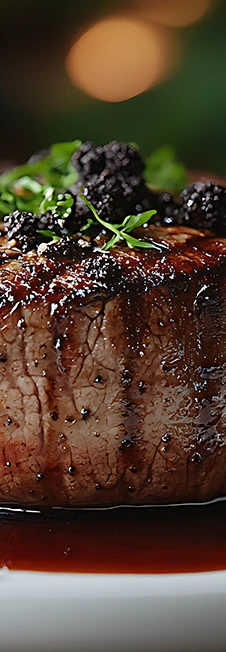
Unsweetened cacao powder enriches classic game meat sauces, such as mole, with unparalleled depth and dark color.
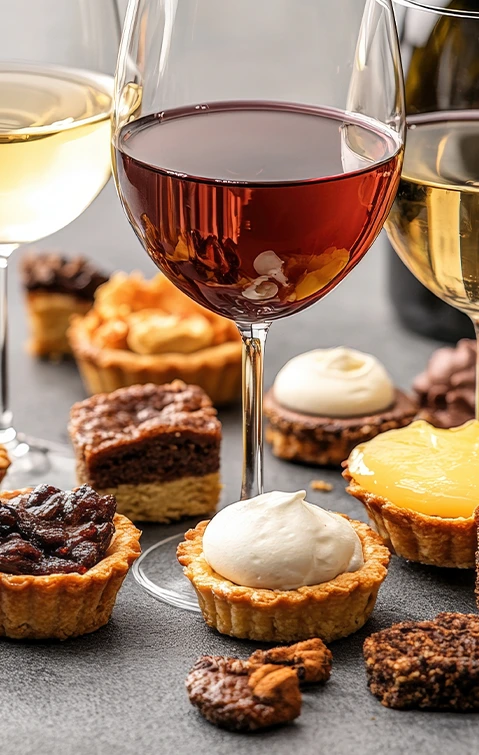
Pairing with Dessert & Fortified Wines
Late-harvest rieslings or a fine port mirror the sugar content in rich desserts, creating a complementary pairing.
The Ritual of Tasting: A Sensory Guide
A proper sensory evaluation requires focus, allowing the mouth’s temperature to melt the chocolate while the wine breathes in the glass.
Focus
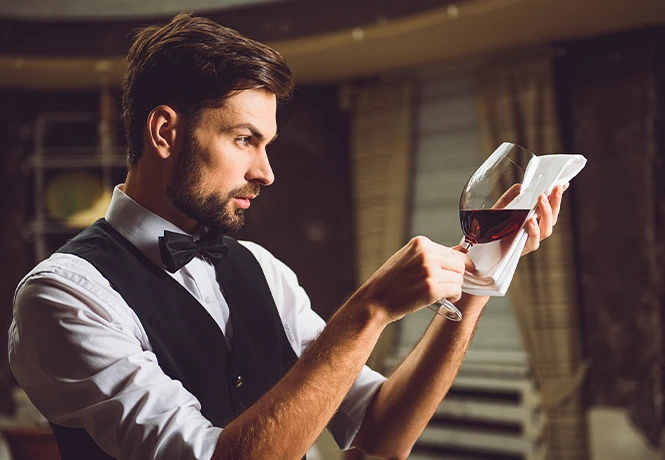
Visual Inspection
Assess the temper and sheen of the bar and the wine’s legs and clarity.
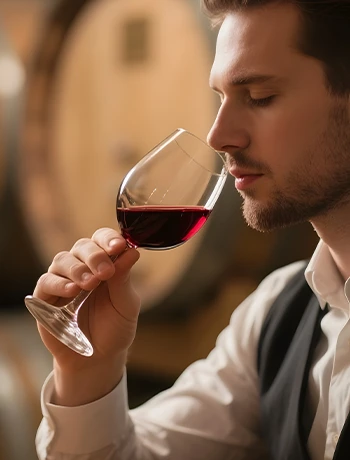
Olfactory Note Detection
Inhale deeply to identify the aroma bouquet: fruit, wood, or smoky tobacco hints.
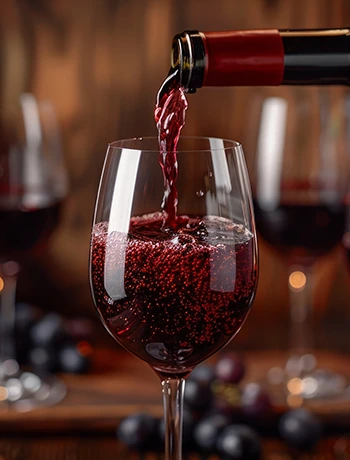
Palate & Texture Evaluation
Let the square melt slowly to coat the palate before sipping, allowing the flavors to harmonize.
Elevating the Gourmet Experience
Mastering flavors means combining bold and subtle notes that surprise and delight, like fresh herbs in ganache or zesty spices adding unexpected brightness.
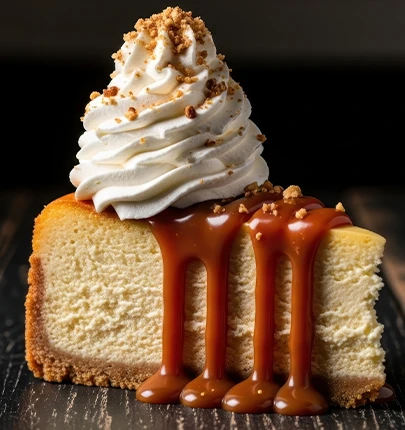
Savory vs. Sweet Contrast
A touch of fleur de sel elevates caramel, balancing richness with a savory contrast that intrigues the palate.
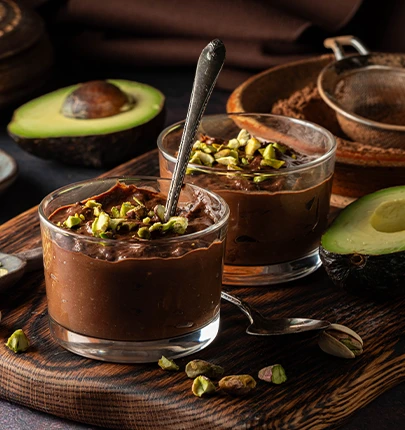
Texture & Harmony
Toasted nuts or crisp pastry provide a counterpoint to smooth mousses, enhancing each bite with layered mouthfeel sensations.
Temperature contrasts
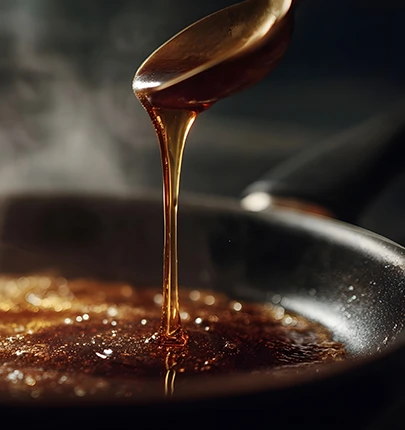
Warm sauces served with chilled ingredients create exciting sensations, ensuring each mouthful is vibrant and harmonious.
Irresistible Chocolate Masterpieces
An Elevation in Every Bite
Worldly flavor adventures
Exotic spices with artisanal cheese and rich chocolate transport the senses, while a sparkling crémant elevates citrus desserts.
Pleasure
Savoring Chocolate Moments
Curating a tasting flight requires guiding guests from subtle to intense flavors. Each pairing must balance sweetness and aroma, allowing every note to shine for a memorable, lingering finish.